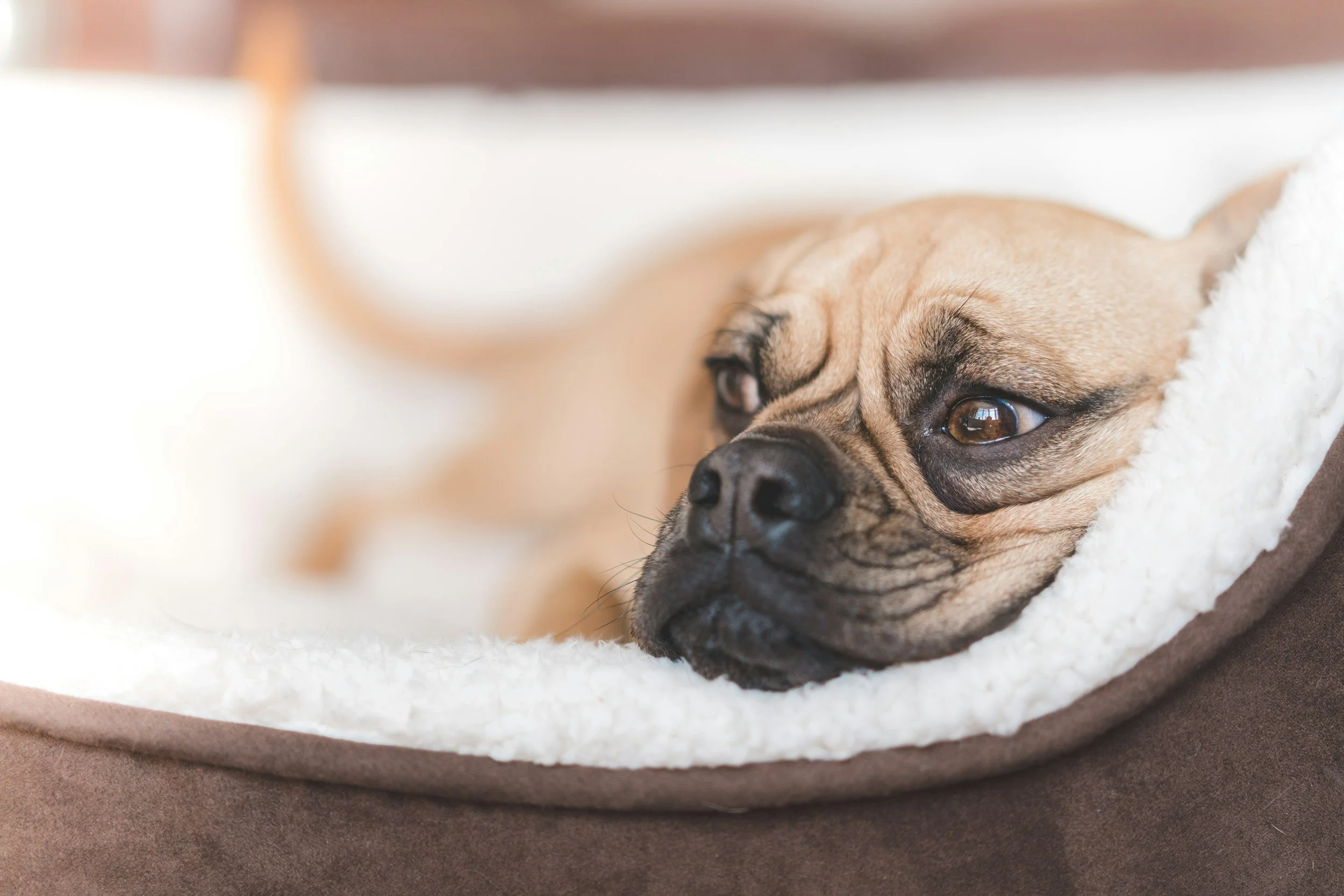
One of the most common challenges new puppy owners face is leaving their puppy alone.
What often starts as whining or barking can quickly become stressful for both the puppy and the owner.
The good news is that being left alone is a skill that can be taught gradually, calmly and without creating anxiety.
Why Puppies Struggle to Be Left Alone
From a puppy’s perspective, being left alone is not natural.
They have just left their litter and are suddenly in a completely new environment.
It’s normal for them to feel unsure.
Problems usually arise when puppies are left alone too quickly or for too long, before they’ve had a chance to build confidence.
Start Small and Build Gradually
The key to success is to begin with very small, manageable steps.
This might mean:
• stepping out of the room for a few seconds
• returning before your puppy becomes distressed
• gradually increasing duration over time
The goal is for your puppy to learn:
“Being alone is safe — and you always come back.”
Create a Calm Environment
Before leaving your puppy, make sure they are:
• well exercised (age appropriate)
• had a toilet break
• not over-tired or over-stimulated
A calm puppy is far more likely to settle than one who is full of energy or already overwhelmed.
Avoid Making a Big Event of Leaving
It can be tempting to reassure your puppy before leaving, but too much attention can increase anticipation and anxiety.
Instead:
• keep departures calm and low-key
• avoid long goodbyes
• return quietly without over-excitement
This helps normalise the experience.
Watch for Signs of Distress
It’s important to recognise when your puppy is struggling.
Signs may include:
• barking or whining
• scratching at doors
• pacing or inability to settle
• excessive panting
If your puppy is showing these signs, the step may be too big.
Go back to a shorter duration where they can remain calm.
Build Independence, Not Dependence
Encourage your puppy to:
• settle on their own
• spend short periods in a separate space
• engage with calm activities like chewing or resting
This helps them develop confidence without constant human presence.
Consistency Is Key
Short, regular sessions are far more effective than occasional long absences.
Progress may feel slow at times, but consistency builds lasting results.
Need Help With Puppy Training?
If your puppy is struggling to be left alone, I offer private in-home puppy training across Richmond, Teddington and South West London.
Working together in your home allows us to build a tailored plan that supports both you and your puppy step by step.
You can learn more here: