Puppy Socialisation Beyond Meeting Other Dogs
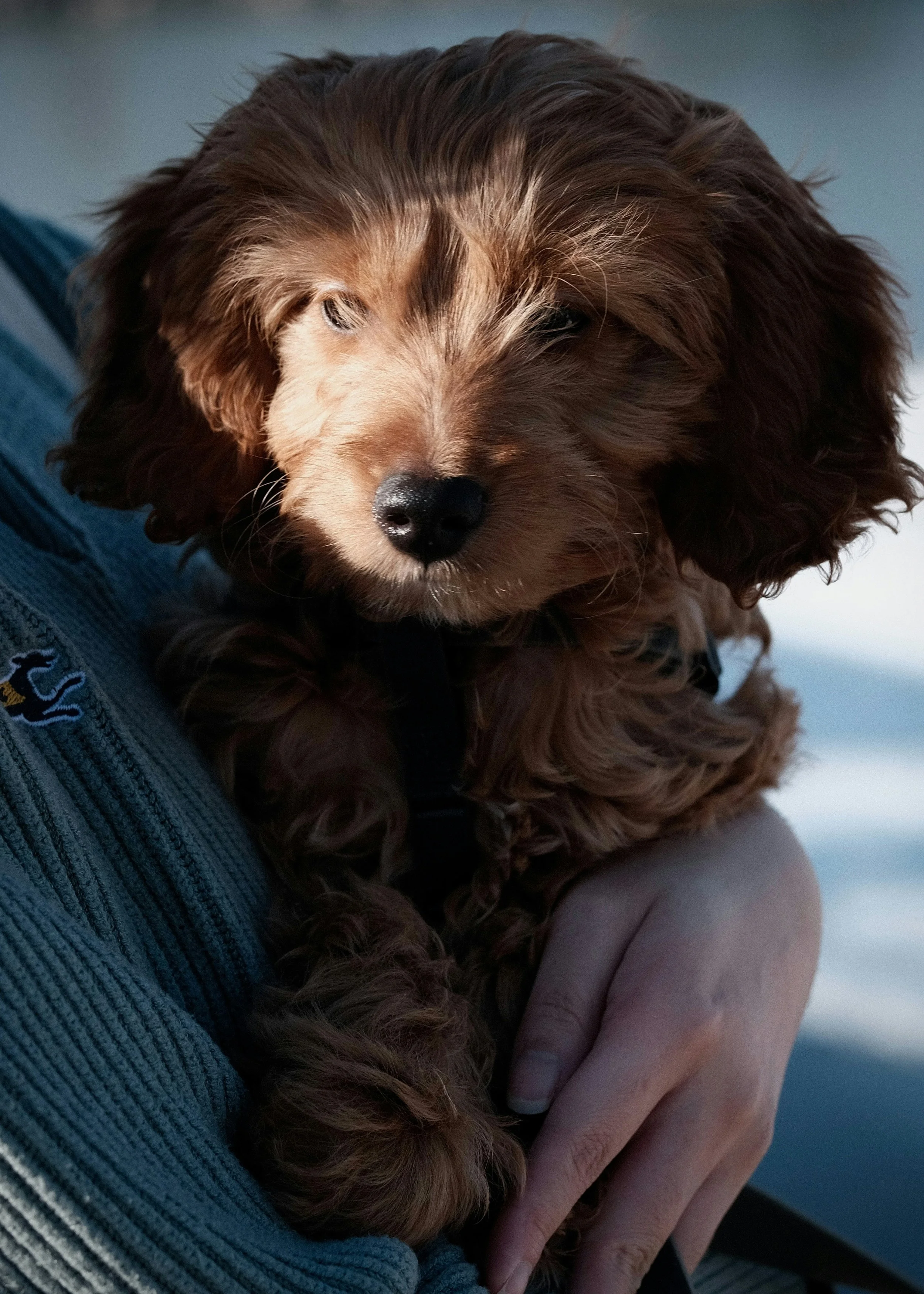
Puppy socialisation is often described as a race to introduce a young dog to as many people, dogs and places as possible
That can leave owners feeling they need to fill every day with new experiences. In practice, the quality of an experience matters much more than the number of things on a checklist.
The aim is to help your puppy learn that the everyday world is safe, predictable and manageable. That may include people, sounds, surfaces, traffic, grooming, visitors and other dogs, but it should happen at a pace your puppy can cope with.
Socialisation is more than meeting dogs
Meeting friendly dogs can be useful, but it is only one part of socialisation. A puppy also needs opportunities to notice a bus from a distance, walk on a different surface, hear a vacuum cleaner, see someone using a walking stick or relax while people pass by.
The goal is not to make your puppy greet every person or dog. A puppy who can look at something new, remain comfortable and then choose to move on is learning an excellent life skill. Calm observation is a successful social experience.
Keep sessions short and easy
One or two calm new experiences in a day can be plenty. A five-minute visit to a quiet café exterior, a short car journey followed by a treat scatter, or sitting on a bench at a comfortable distance from a school gate can be more useful than a long, busy outing.
Watch your puppy closely. A loose body, soft movement, interest in food and the ability to sniff are generally encouraging signs. If your puppy freezes, pulls away, cannot eat, becomes frantic or needs to be carried through the situation, the experience may be too hard at that moment.
Give your puppy a choice about distance
Distance is a simple way to make socialisation kinder. If a delivery van, group of children or another dog is making your puppy uncertain, move farther away. Let them look from a place where they can still breathe, sniff and take a treat.
You do not need to wait for fear to become obvious. Stepping back early teaches your puppy that you are paying attention and that they do not have to cope alone. You can try again another day, perhaps from a quieter spot or at a different time.
Use food thoughtfully
Small, tasty treats can help create a positive association with new experiences. When your puppy notices something unfamiliar at a comfortable distance, calmly offer a treat. Then allow them to look away or move on.
Food is not there to distract a frightened puppy into staying too close. If they are unable to eat, take that as information and increase the distance. The most useful reward is one your puppy can enjoy while still feeling safe.
Choose people and dogs carefully
Not every person needs to stroke your puppy, and not every dog needs to say hello. Ask visitors to let the puppy approach rather than leaning over or reaching straight for their head. A calm person who tosses a treat and waits can be a much better introduction than an enthusiastic crowd.
For this part of puppy socialisation, leave dog-to-dog introductions out of the plan. Those need their own careful setup and are covered separately. Here, focus instead on helping your puppy feel safe around everyday people, places, sounds and handling without needing to greet anyone.
Include everyday handling
Socialisation also includes the ordinary handling your puppy will need throughout life. Spend short, relaxed moments touching paws, looking briefly at ears, lifting a lip or introducing a brush. Pair each small step with something your puppy enjoys and stop before they become restless.
This is not about restraining a puppy until they give up. It is about building trust so veterinary care, grooming and home routines are less stressful later. If handling worries your puppy, break it down into an even smaller step.
Protect rest and routine
Puppies need a great deal of sleep. A tired puppy can be more excitable, mouthy or worried, and a packed social diary can quickly become too much. Keep familiar naps, meals and quiet time in the day. A secure home routine gives a puppy somewhere to recover after new experiences.
It can help to jot down what your puppy experienced and how they responded. You do not need a perfect record. A few notes will show you which situations are easy, which need more time and where progress is quietly happening.
When to seek support
If your puppy is showing persistent fear, avoidance or behaviour that worries you, seek help early from an appropriately qualified, reward-based professional. Sudden changes in behaviour should also be discussed with your vet, particularly if you are concerned about health or discomfort.
Ready to take the next step?
If you're looking for friendly, reward-based dog training in Teddington, Twickenham, Richmond, Hampton, Kingston and the surrounding areas, I'd love to help or UK wide online.
Get in touch to discuss how we can build a happier, more confident relationship with your dog.
Choosing equipment
If you’re looking for leads, harnesses, calming products or anything else. Take a look at this page here where I’ve collated items for you.