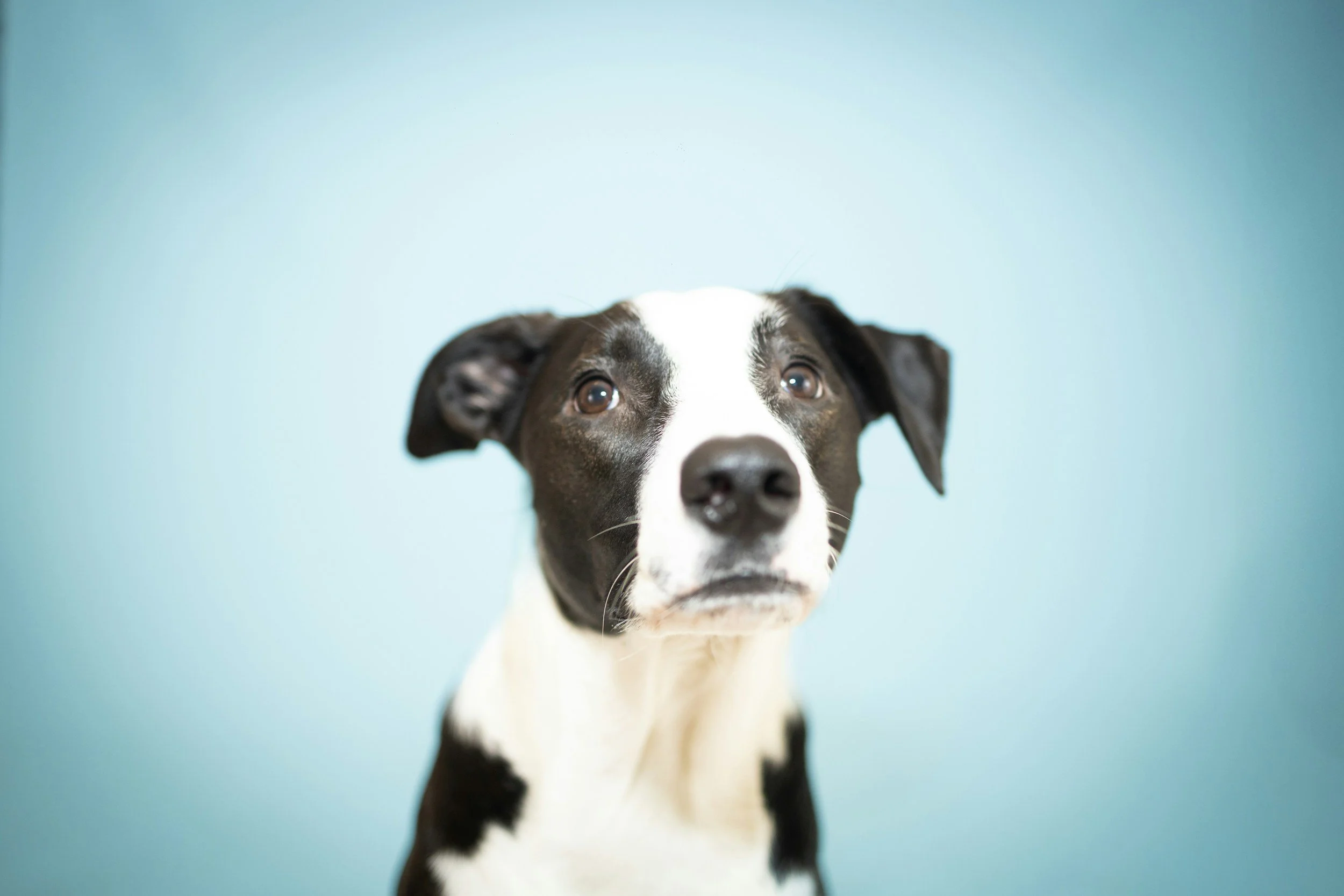
A dog can appear to be stubborn… read more to find out what’s really going on.
"He's just being stubborn."
It's one of the most common things I hear from dog owners.
Whether it's refusing to come back when called, pulling towards another dog, ignoring a cue they've performed perfectly at home or simply choosing to sniff a lamppost instead of walking with you, it's easy to assume they're making a conscious decision to be difficult.
The reality is very different.
As an IMDT-qualified dog trainer, one of the biggest mindset shifts I help owners make is this:
Your dog isn't trying to give you a hard time… they're having a hard time.
Dogs Don't Think Like People
Humans naturally explain behaviour by imagining intentions.
We might think:
"He's ignoring me."
"She's doing it on purpose."
"He knows he's wrong."
"She's testing the boundaries."
But dogs don't plan behaviour in the same way we do.
Instead, they simply do whatever has been most rewarding—or feels safest—in that moment.
They're constantly asking themselves questions like:
Is this safe?
Is this rewarding?
Have I done this before?
What's the most interesting thing happening right now?
Their behaviour is driven by learning, emotion and environment, not by a desire to frustrate us.
Imagine This...
You've spent weeks teaching your dog a lovely recall in your garden.
They come running every single time.
Then you visit Richmond Park.
You call...
...and your dog spots a squirrel.
Suddenly your perfect recall seems to have disappeared.
Have they suddenly become stubborn?
Not at all.
The value of chasing that squirrel simply outweighed the value of coming back to you.
That isn't disobedience.
It's information.
It tells us the behaviour wasn't yet strong enough for that level of distraction.
Every Behaviour Has a Reason
Behaviour doesn't happen by accident.
There is always something reinforcing it.
For example:
Pulling on the lead may get your dog where they want to go.
Jumping up often earns attention—even if it's being pushed away.
Barking may increase distance from something worrying.
Running off might lead to exciting smells or wildlife.
Ignoring a cue may simply mean something else is more rewarding.
Once we understand why a behaviour is happening, we can start changing it.
That's far more effective than assuming the dog is simply being difficult.
Context Matters
One of the biggest surprises for many owners is that dogs don't automatically generalise learning.
Just because your dog can:
Sit in the kitchen,
Come when called in the garden,
Walk nicely down your road,
doesn't mean they fully understand those same cues in a busy park, outside a café or on a woodland walk.
Every new environment brings different sights, sounds, smells and distractions.
From your dog's perspective, they're almost learning the exercise all over again.
That's why good training gradually increases difficulty instead of expecting perfection everywhere immediately.
Reward-Based Training Builds Reliability
At Mannering Barton Dog Training, I use reward-based methods because they help dogs make good choices willingly.
Rather than worrying about punishment when they get something wrong, dogs learn that paying attention to their owner consistently leads to positive outcomes.
Over time, those good choices become habits.
Training isn't about controlling your dog.
It's about building communication, trust and confidence so that your dog wants to work with you.
Be Curious, Not Cross
The next time your dog doesn't respond as you'd hoped, try asking yourself:
Was there something more exciting nearby?
Was I asking too much too soon?
Has my dog really practised this in this environment?
Were they frightened, overwhelmed or simply distracted?
Have I made the behaviour rewarding enough?
Those questions will almost always lead to better training than assuming your dog is being stubborn.
Every Dog Can Learn
Some dogs learn quickly.
Others need more repetitions.
Some are naturally confident.
Others need time to build trust.
None of those dogs are being "stubborn."
They're simply learning at their own pace.
As trainers, our job isn't to force behaviour.
It's to make the right behaviour easy, rewarding and enjoyable.
When we change the way we see our dogs, we often change the way they respond to us.
And that's where the real progress begins.
Need a Helping Hand?
If you're struggling with recall, lead walking, jumping up, puppy training or simply understanding why your dog behaves the way they do, I'd be delighted to help.
At Mannering Barton Dog Training I offer friendly, reward-based one-to-one training across Teddington, Twickenham, Richmond, Hampton, Kingston and the surrounding areas.
Together we'll build the skills, confidence and understanding that help both you and your dog enjoy life together.